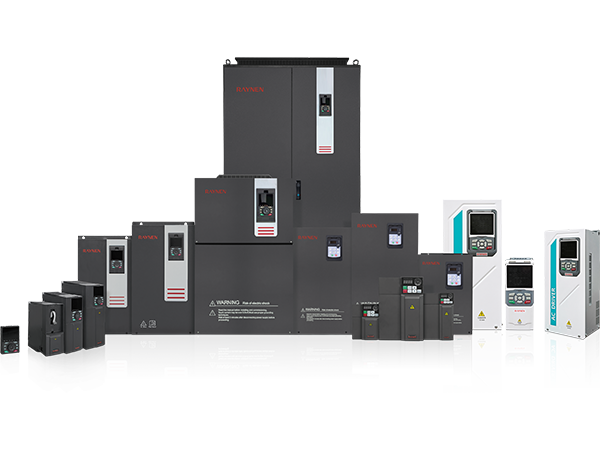
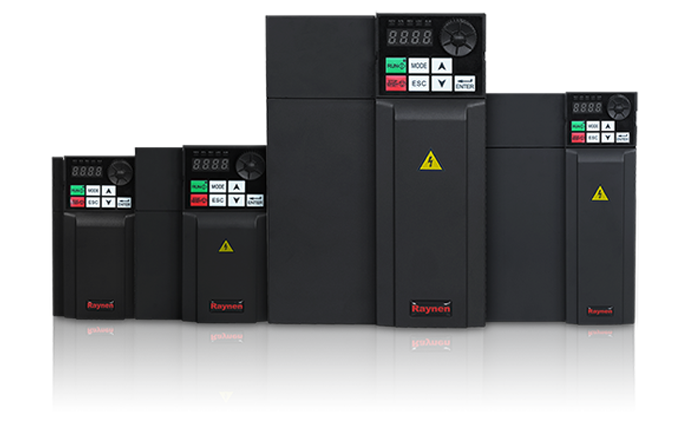
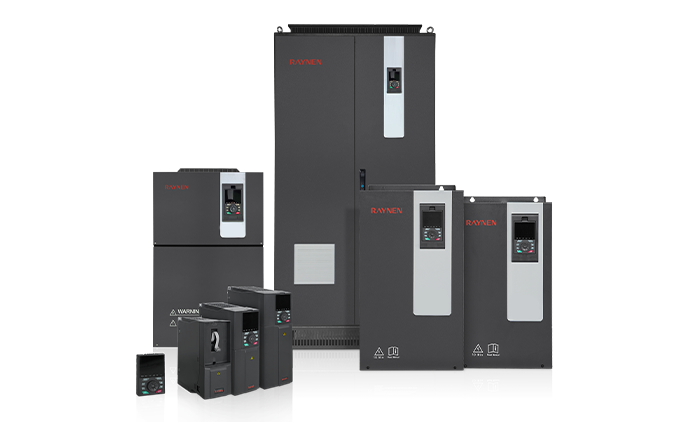
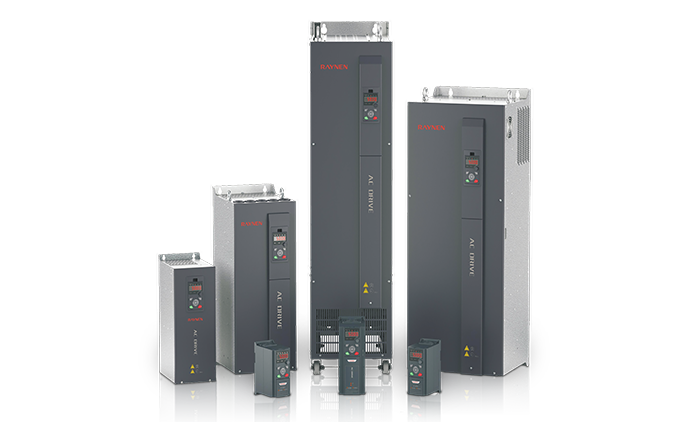
Si está actualizando un panel de control de motor, el variador de velocidad determina cuánta energía consume su motor y con qué precisión puede controlarlo. En muchas modernizaciones de cargas de ventiladores y bombas, la instalación de uno reduce el uso de energía entre un 20% y un 40%. Pero un variador solo ofrece esos ahorros si se adapta al motor, la carga y el entorno de instalación. Esta guía explica qué son los variadores de frecuencia, cómo seleccionar uno y los detalles de instalación que son fáciles de pasar por alto.
Qué es un variador de frecuencia
Un variador de frecuencia es un dispositivo electrónico que controla la velocidad y el par de un motor de corriente alterna variando la frecuencia y el voltaje que se le suministra. También se le llama variador de frecuencia o VFD, y en algunas industrias se le conoce simplemente como inversor.
El variador recibe un suministro de CA fijo de la red o del sistema de distribución de la planta y lo convierte en una salida controlada. Los componentes principales del interior son el rectificador, un bus de CC, una etapa inversora y un tablero de control. La interfaz del operador le permite configurar parámetros de velocidad, aceleración y protección.
Componentees clave dentro de un variador de frecuencia y sus funciones. | Component | Función |
| rectificador | Convierte el voltaje CA entrante en voltaje CC. |
| Autobús de CC | Almacena y suaviza el voltaje CC antes de la inversión. |
| Etapa inversora | Conmuta CC a CA a la frecuencia y voltaje requeridos por el motor. |
| tablero de control | Ejecuta el algoritmo de control del motor y gestiona las protecciones. |
| Interfaz del operador | Muestra parámetros, códigos de falla y permite cambios de configuración. |
Cómo funcionan los variadores de CA
La velocidad del motor de inducción es proporcional a la frecuencia de la tensión de alimentación. La velocidad síncrona se calcula como 120 veces la frecuencia dividida por el número de polos. Cuando el variador reduce la frecuencia de salida, el motor se desacelera.
El voltaje y la frecuencia deben cambiar juntos. Mantener constante la relación entre voltaje y frecuencia mantiene el flujo magnético en el motor. A bajas velocidades, el variador agrega un aumento de voltaje para producir suficiente par de arranque.
Dos plataformas de control principales
El control V/f es el método de bucle abierto. Establece el voltaje y la frecuencia según una curva predeterminada y es simple, robusto y adecuado para la mayoría de aplicaciones de ventiladores, bombas y compresores. El control vectorial utiliza un algoritmo de circuito cerrado, a menudo con un codificador, para regular el par y la velocidad con mucha mayor precisión. Se utiliza en grúas, ascensores, extrusoras y máquinas herramienta donde la carga cambia rápidamente.
Comparación de las dos principales plataformas de control de variadores de CA. | Característica | Control V/f | Control de vectores |
| Precisión de velocidad | Aproximadamente más o menos 1 por ciento | Aproximadamente más o menos 0,01 por ciento |
| Respuesta de par | moderado | Rápido y preciso |
| Aplicaciones típicas | Ventiladores, bombas, compresores. | Grúas, ascensores, extrusoras, máquinas herramienta. |
| Complejidad | Configuración sencilla, sin codificador | Necesita un codificador o algoritmos avanzados. |
¿Por qué utilizar variadores de CA?
La razón más fuerte para utilizar un unidad de CA es el ahorro de energía en cargas de velocidad variable. Los ventiladores y bombas centrífugas siguen las leyes de afinidad: la potencia cambia con el cubo de la velocidad. Reducir la velocidad del 100 por ciento al 80 por ciento cambia la entrada de energía a aproximadamente el 51 por ciento del valor original. Un ventilador de 90 kW que funciona al 70 por ciento de velocidad consume aproximadamente un tercio de la energía que necesitaría a máxima velocidad y, en comparación con el control de compuerta, los ahorros suelen oscilar entre el 40 y el 60 por ciento.
Más allá del ahorro, una unidad también mejora la coherencia del proceso. Las mezcladoras, extrusoras y máquinas textiles dependen de una velocidad estable para mantener la calidad del producto repetible. En la extrusión, una pequeña variación de velocidad crea una diferencia en el grosor de la línea que termina como material de desecho. La función de aceleración controlada reduce la tensión mecánica en las correas, cajas de cambios y acoplamientos, lo que reduce los costos de mantenimiento y aumenta la vida útil del equipo.
El arranque directo consume de seis a ocho veces la corriente nominal del motor. Un variador limita la corriente de entrada a tan solo 1,5 a 2 veces la corriente nominal, lo que reduce la caída de voltaje en la línea de la planta y los impactos mecánicos en engranajes, correas y ejes.
Tipos y aplicaciones
Los variadores de CA generalmente se agrupan por voltaje de salida. Los variadores de bajo voltaje cubren 200-690 V y se utilizan para motores desde unos pocos cientos de vatios hasta aproximadamente 500 kW. Los variadores de media tensión cubren 2,3-11 kV y sirven para motores de alta potencia en el rango de megavatios.
Las aplicaciones industriales comunes incluyen:
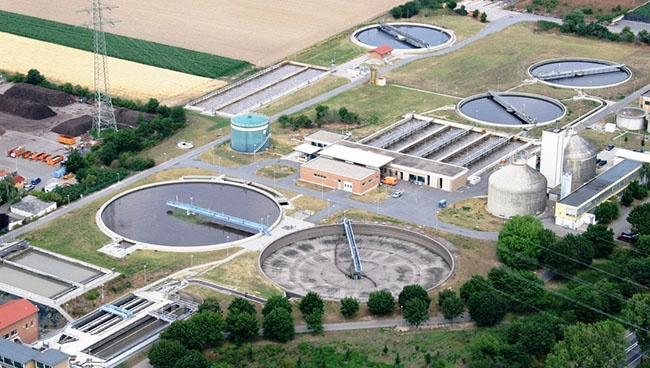
- Bombas centrífugas y ventiladores en sistemas de tratamiento de agua, HVAC y calderas.
- Compresores de aire en plantas con grandes variaciones de presión.
- Mezcladoras, centrífugas y agitadores en el procesamiento químico y alimentario.
- Ascensores, grúas pórtico y polipastos que requieren cambios de velocidad suaves
- Máquinas herramienta CNC, tornos verticales y máquinas de corte rotativas.
- Extrusoras y refinadoras en la industria del caucho y del plástico.
Raynen Technology también publica soluciones de aplicaciones para maquinaria específica, como modernizaciones de compresores de aire para ahorrar energía, sistemas de ventiladores de calderas, sopladores de aireación para tratamiento de aguas residuales, suministro de agua a presión constante y extrusoras de tornillo. La misma plataforma motriz se puede configurar para que coincida con estos diseños mecánicos.
Cómo seleccionar un variador de CA
Comience desde la placa de identificación del motor, no desde un catálogo. La clasificación del variador debe basarse en la corriente del motor en lugar de la potencia del motor. Para cargas de par variable, como ventiladores y bombas, el variador suele ser del mismo tamaño que el motor. Para cargas de torque constante, deje un margen de uno o dos tamaños de variador por encima de la clasificación del motor.
La característica del par de carga es lo primero que hay que identificar. Las cargas de par variable tienen un par que aumenta con el cuadrado de la velocidad. Las cargas de par constante entregan el mismo par en todo el rango de velocidad y las cargas de potencia constante reducen el par a medida que aumenta la velocidad.
Tipos de par de carga y consideraciones de aplicación típicas. | Tipo de carga | Comportamiento del par | Aplicaciones típicas |
| par variable | El par aumenta con el cuadrado de la velocidad. | Ventiladores, bombas centrífugas. |
| par constante | El par es el mismo en todo el rango de velocidades. | Transportadores, mezcladores, extrusores. |
| poder constante | El par disminuye a medida que aumenta la velocidad | Máquinas herramienta, bobinadoras |
Otros factores incluyen la temperatura ambiente, la altitud y el tipo de recinto. La mayoría de las unidades se reducen por encima de los 40 grados Celsius y por encima de los 1000 m de altitud. Si el cable del motor mide más de 50 m, pregunte acerca de un reactor de salida para proteger el devanado del motor de los picos de voltaje reflejados.
Si es necesario monitorear el variador desde un PLC o SCADA, verifique qué interfaz de comunicación está disponible. Los ambientes polvorientos, húmedos o químicamente agresivos requieren una clasificación de protección de ingreso más alta o un gabinete adecuado.
Consideraciones de instalación y adquisición
La distorsión armónica es un problema común cuando varios variadores se alimentan del mismo transformador. Agregar un reactor de línea o una bobina de CC reduce la distorsión de la corriente y suele ser una forma económica de cumplir con los límites locales de calidad de la energía.
Frenado: si la carga puede adelantar al motor, por ejemplo una grúa que baja una carga o un transportador que se detiene con una carga pesada, se necesita una resistencia de frenado dinámico o una unidad regenerativa.
Nunca olvides la documentación y el soporte postventa. Solicite el manual de usuario, los planos eléctricos y el software de configuración en el idioma que utilizan sus técnicos. Raynen Technology publica estos materiales en su centro de descargas . Si el proveedor de la unidad no proporciona estos elementos por adelantado, corre el riesgo de tener tiempos de puesta en servicio más largos y mayores costos de reparación más adelante. Para un motor y una carga específicos, el soporte técnico La página es el lugar adecuado para confirmar el tamaño y la compatibilidad de la unidad antes de realizar el pedido.
Variadores Raynen para aplicaciones industriales de CA
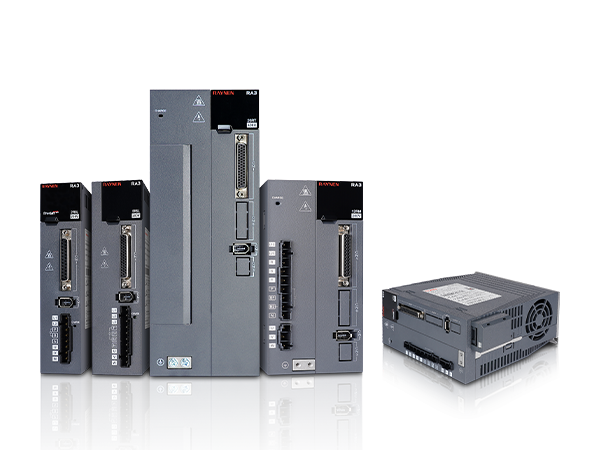
Raynen Technology, la marca de automatización industrial detrás de raynendrive.com, diseña y fabrica variadores de velocidad junto con arrancadores suaves, servosistemas, PLC e interfaces hombre-máquina. La empresa fue fundada en 2007 y cotiza en la Bolsa de Valores de Shanghai. La cartera de productos está destinada a cubrir las capas de control, accionamiento y ejecución de una máquina completa.
Para aplicaciones textiles, de bombas y de ventiladores estándar de bajo voltaje, el variador inteligente RVE21 proporciona una solución compacta y fácil de usar con una configuración de parámetros sencilla. Cuando el proceso necesita un control preciso de velocidad y par, el variador vectorial RVE32 ofrece rendimiento de circuito cerrado para grúas, elevadores, mezcladores y máquinas herramienta. Para motores de alta potencia en suministro de agua y servicios petroquímicos, la serie RVE1000 maneja suministro de media tensión de hasta 11 kV.
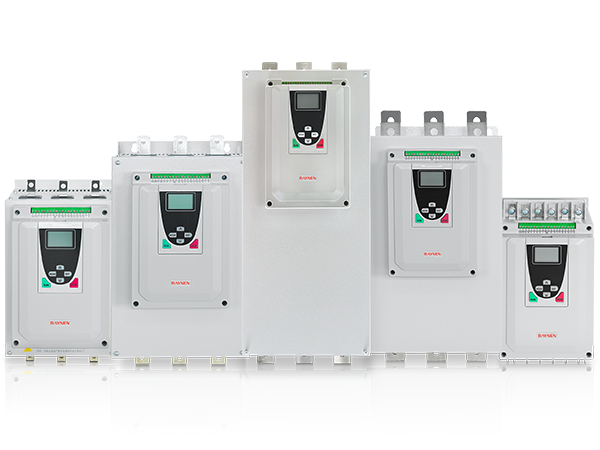
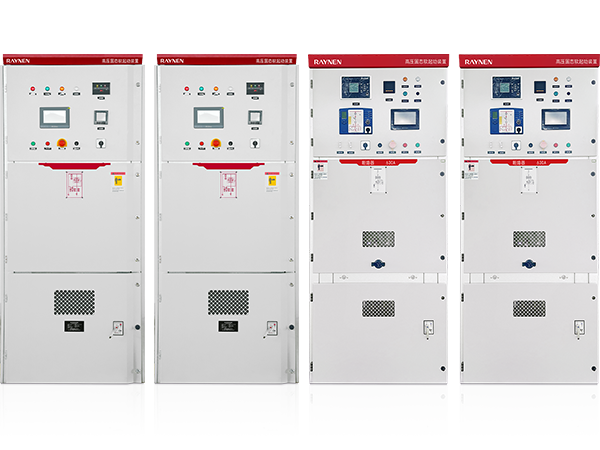
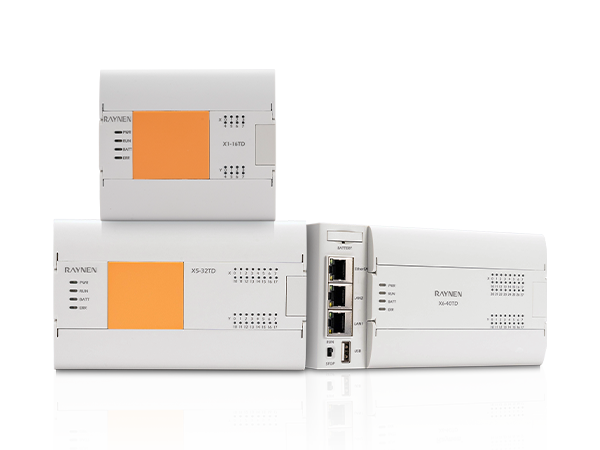
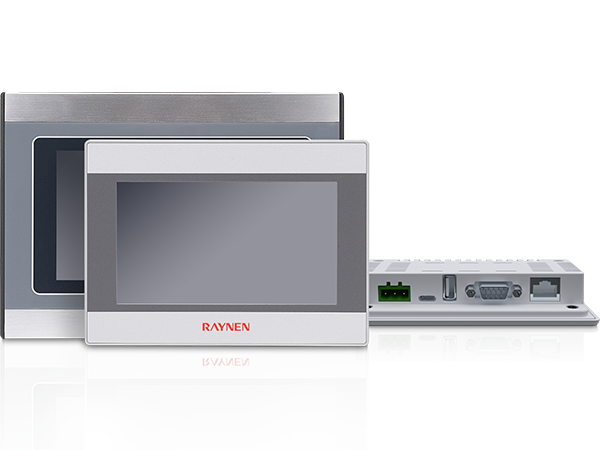
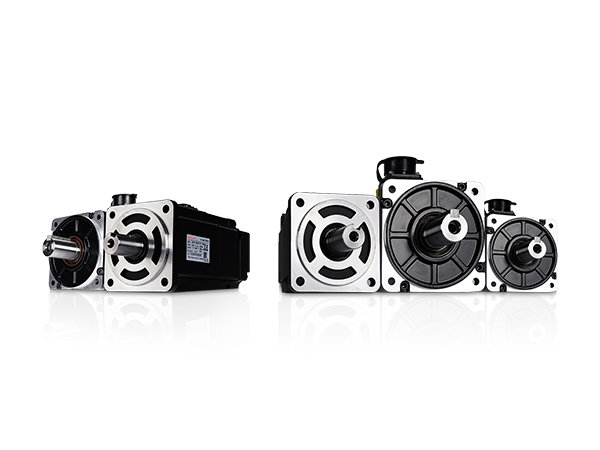
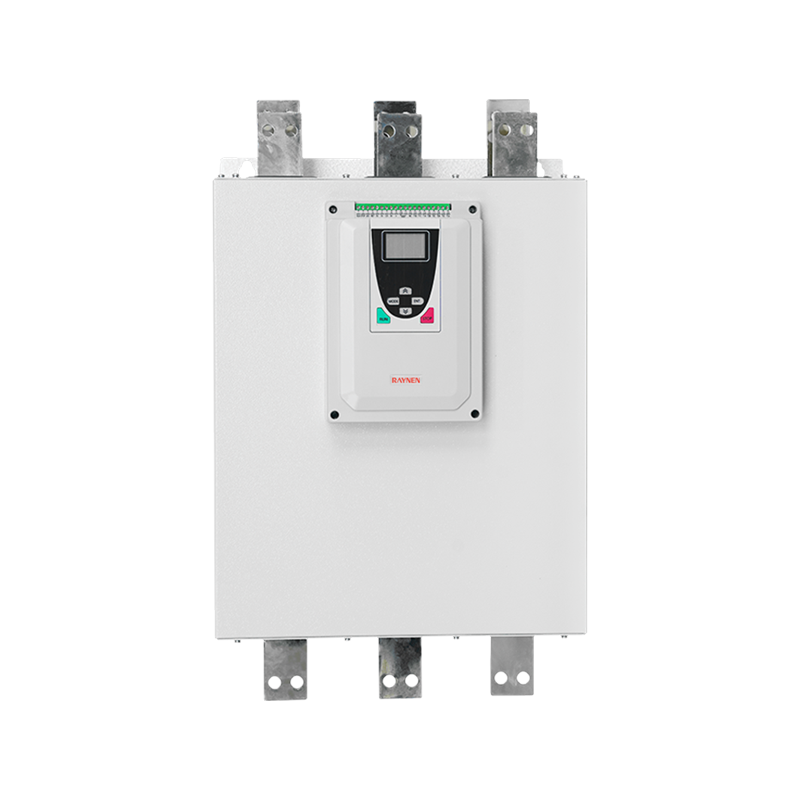
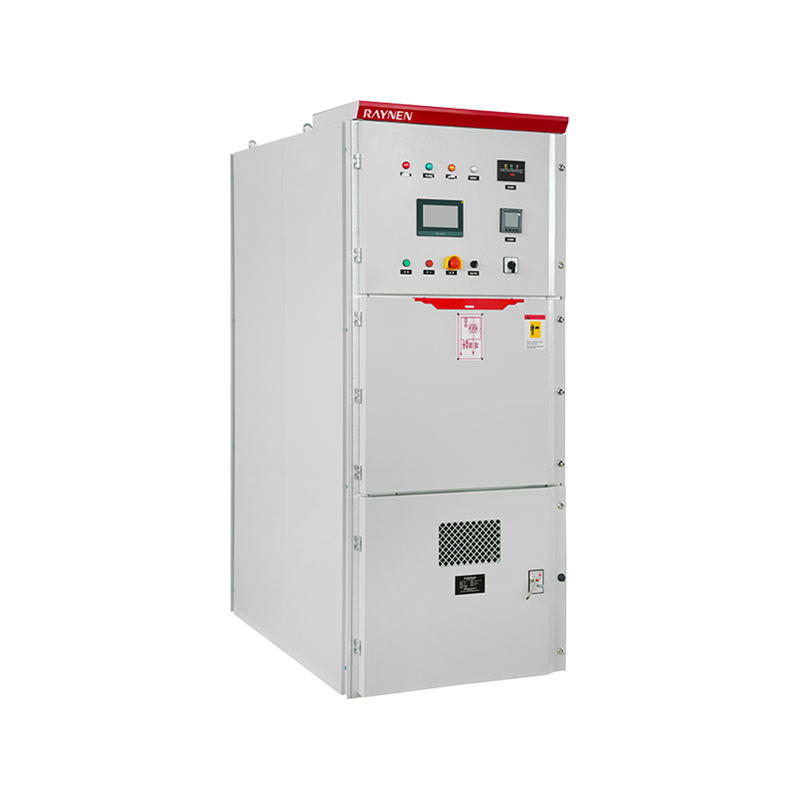
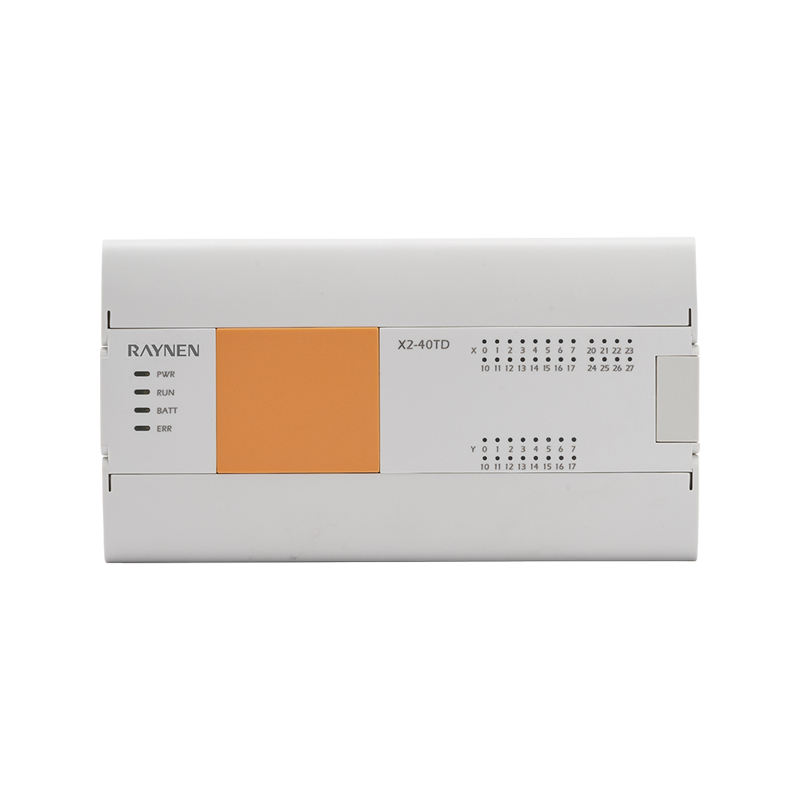
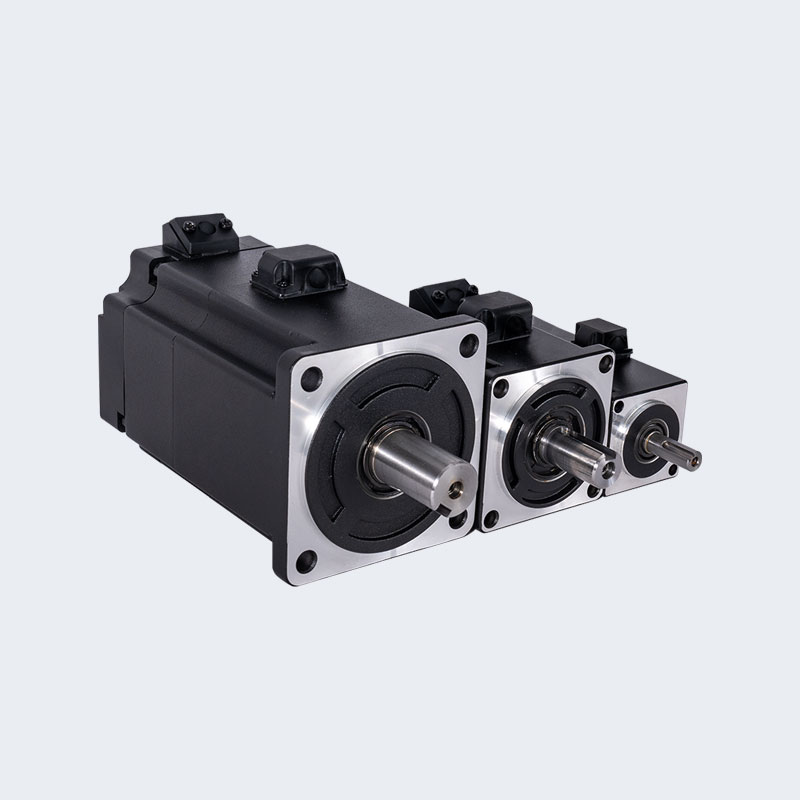
El catálogo de la empresa también incluye arrancadores suaves de baja y media tensión, PLC, HMI, servomotores y servovariadores. Esta amplitud es importante por dos razones. En primer lugar, puede obtener soporte de ingeniería constante de un solo proveedor. En segundo lugar, el variador se puede integrar con un sistema de control completo que incluye el PLC y la HMI, lo que acelera la puesta en servicio.
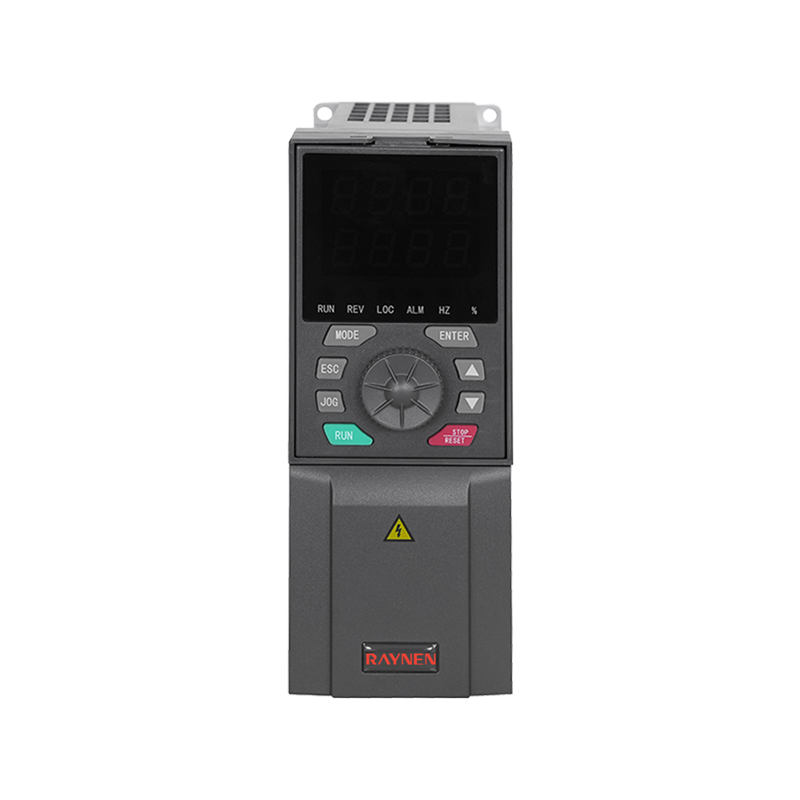
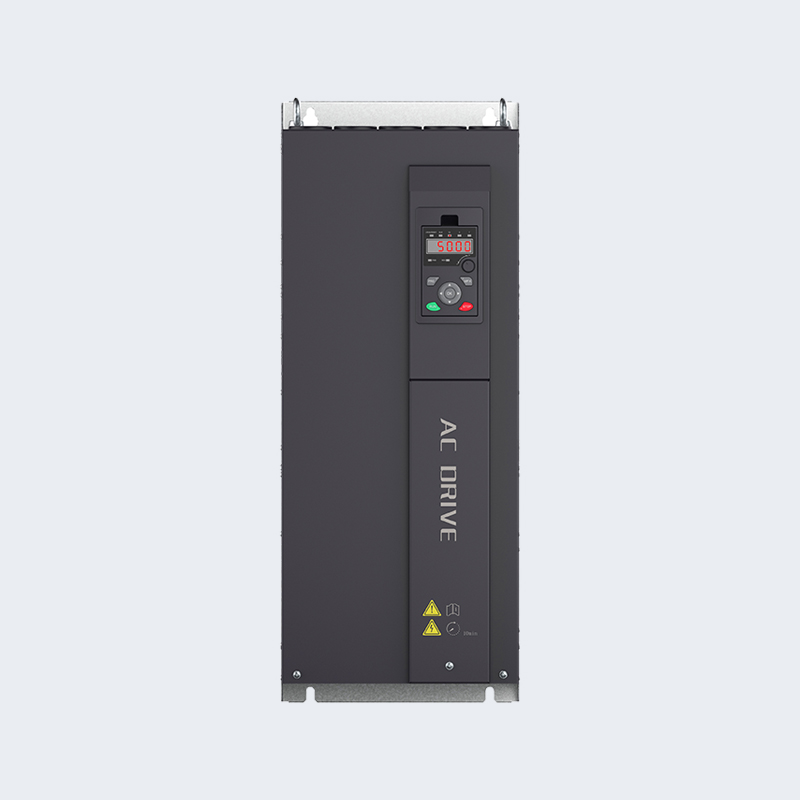
 Variador de CA inteligente de bajo voltaje RVE21 para motores de 55 a 200 kW La serie RVE21 ofrece un amplio rango de voltaje y una capacidad de sobrecarga de hasta el 200 %, con un blindaje extraíble para instalación en paralelo. Su diseño de vías respiratorias independientes garantiza una refrigeración fiable, lo que lo convierte en una opción rentable para la integración con sistemas PLC y HMI. Ver producto →
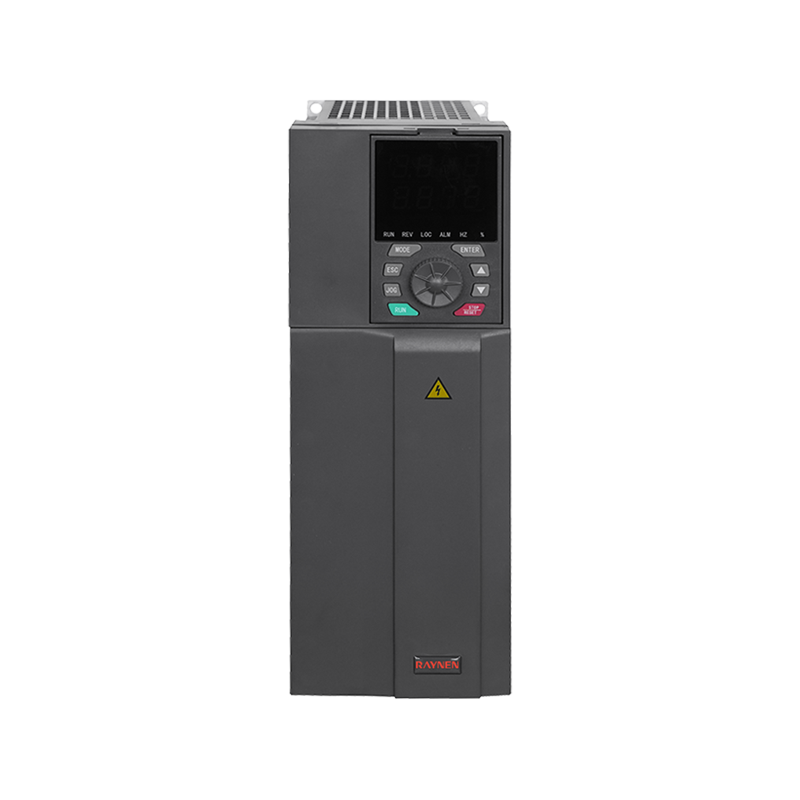
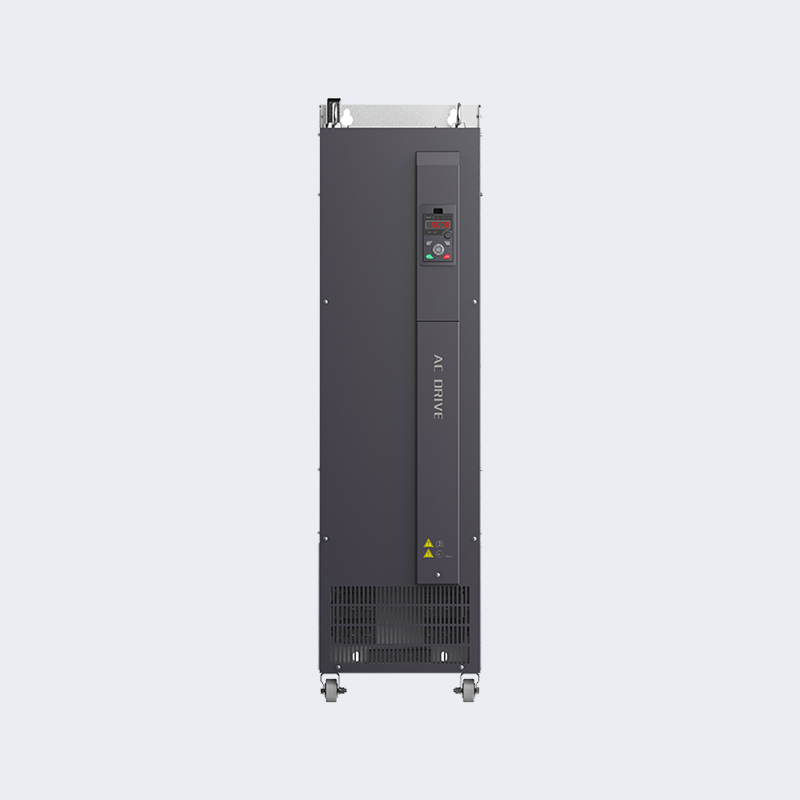
 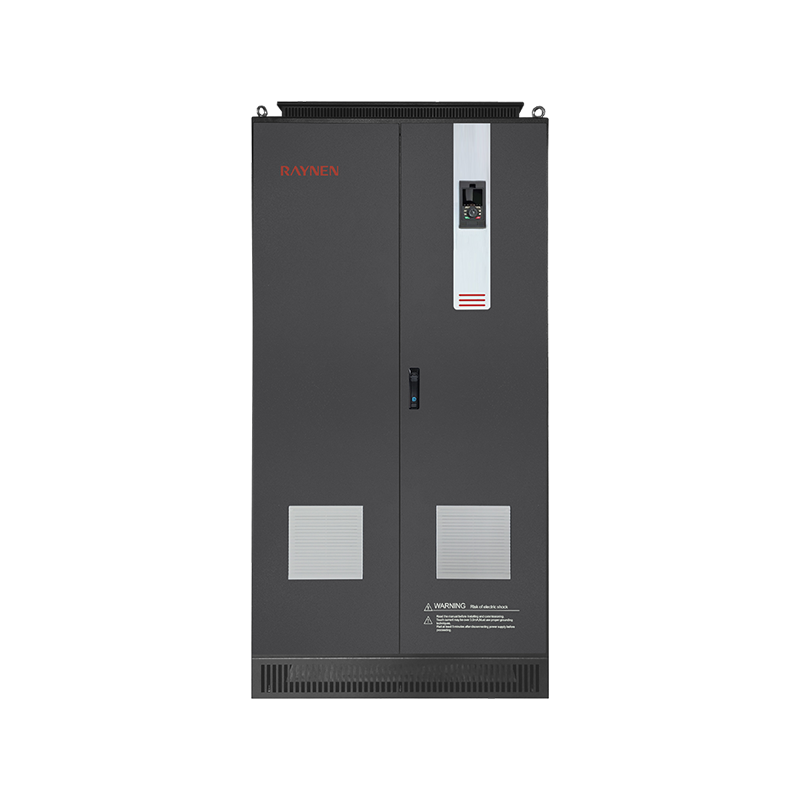 Variador de CA vectorial RVE32 para aplicaciones de alta potencia de hasta 800 kW La serie RVE32 presenta control vectorial sin sensores y adaptación automática de parámetros de bucle, sin necesidad de depuración. Disponible en carcasas de plástico o hierro con estándar Modbus, se adapta a necesidades de alta potencia de 250 a 800 kW con pantalla de dos líneas. Ver producto →
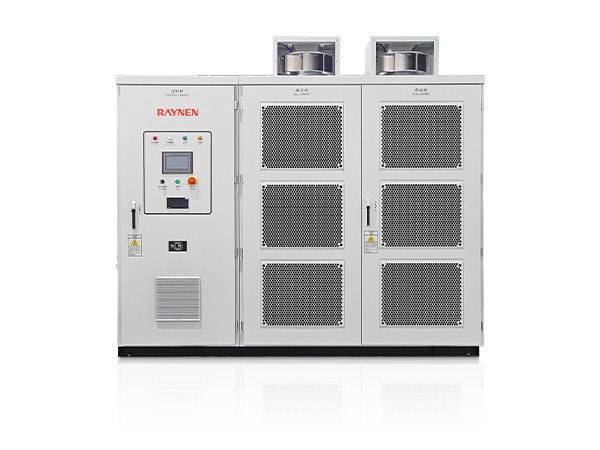
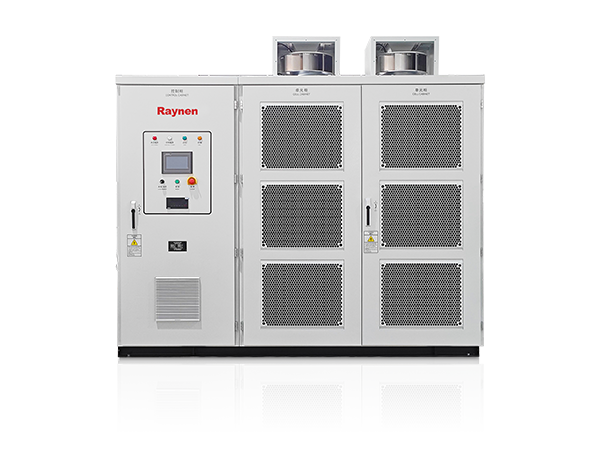
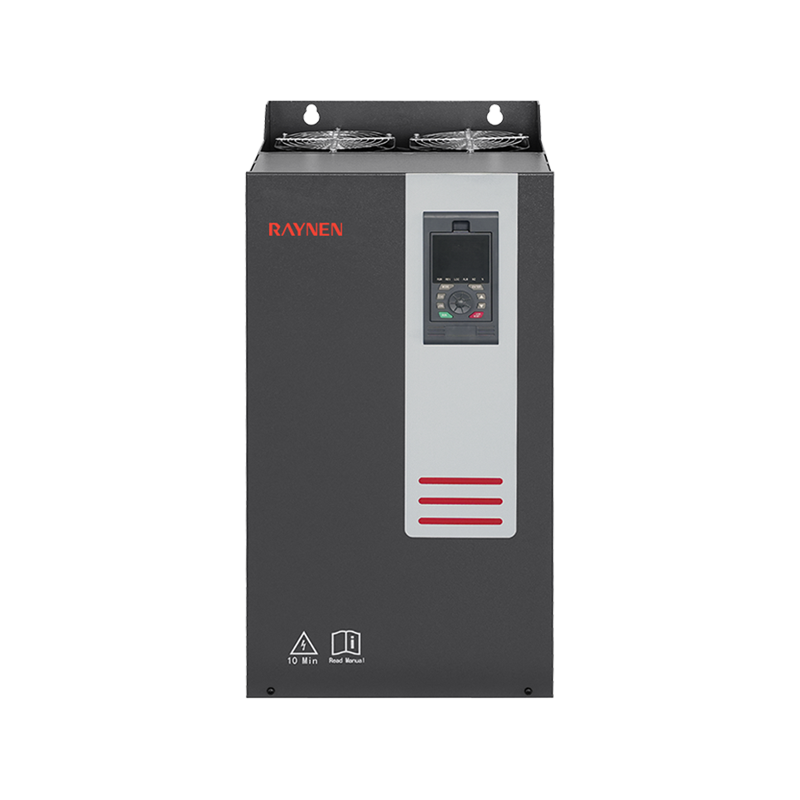
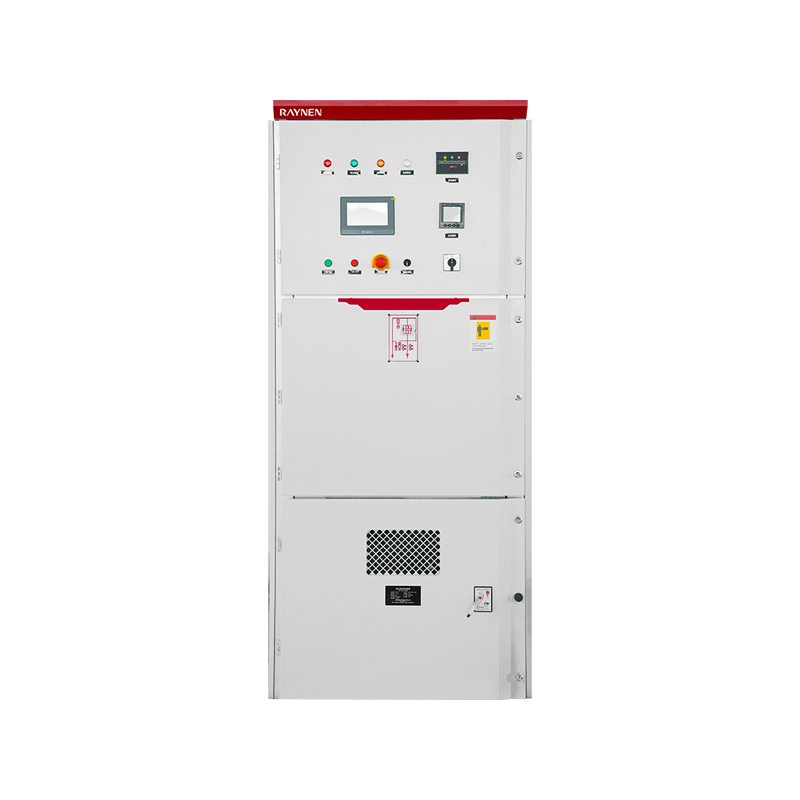
 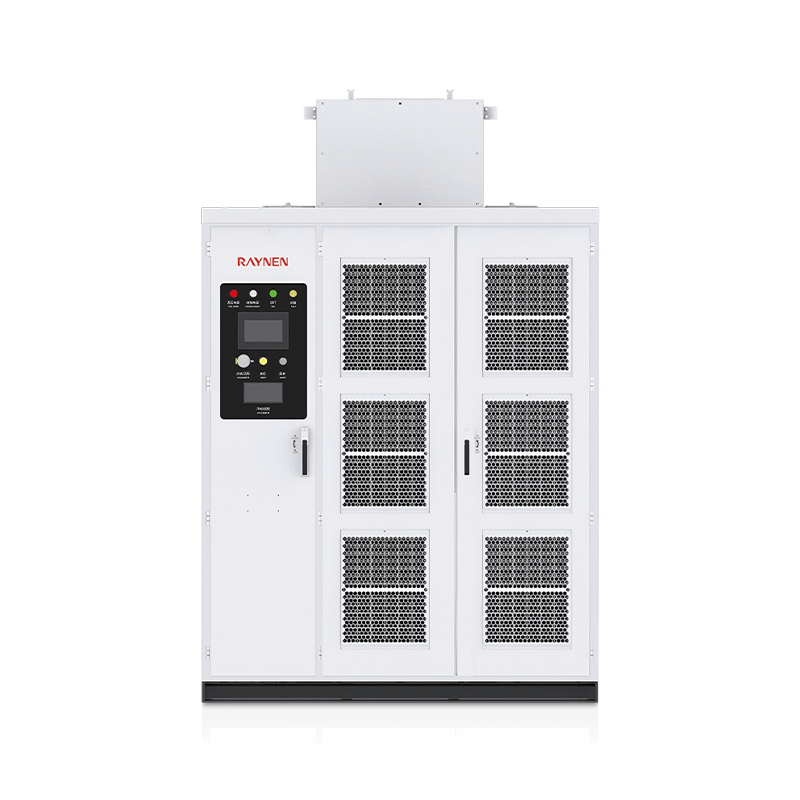 Variador de CA de media tensión RVE1000 para control directo de motores de alta tensión La serie RVE1000 utiliza cascada de puente H de etapas múltiples para superposición de voltaje y control ARM/DSP, lo que permite el accionamiento directo de motores de alto voltaje sin filtros. Diseñado para el control maestro-esclavo de cintas transportadoras, sirve a las industrias química, de elevación, de compresores de aire y del acero. Ver producto →
 El variador de frecuencia adecuado ahorra energía, mejora la estabilidad del proceso y protege el motor y los equipos posteriores. Selecciónelo en la placa de identificación del motor, confirme el tipo de carga y verifique los requisitos ambientales y de comunicación. Si tiene una aplicación específica, utilice el equipo de soporte técnico de Raynen para confirmar el tamaño y la documentación completa antes de realizar un pedido.

 English
 Español
 عربى
عربى